
Wildlife renewal might conjure images of animals being released into the wild. But long before a koala can climb, a wombat can dig, or a sugar glider can glide, one thing must come first: trees. Lots of them.
At the Southern Highlands Wildlife Sanctuary (SHWS), we know that habitat recovery is the backbone of conservation.
That’s why we support initiatives like National Tree Day (28 July) and Tree Week; they are timely reminders that rescue begins with roots in the ground.
Koalas Can’t Return to a Home That No Longer Exists
The Southern Highlands was once home to thriving koala populations, but habitat loss and fragmentation have left much of the landscape inhospitable. In Morton National Park alone, koalas are now locally extinct. Our goal is to change that – but reintroduction only works if the bush is ready.
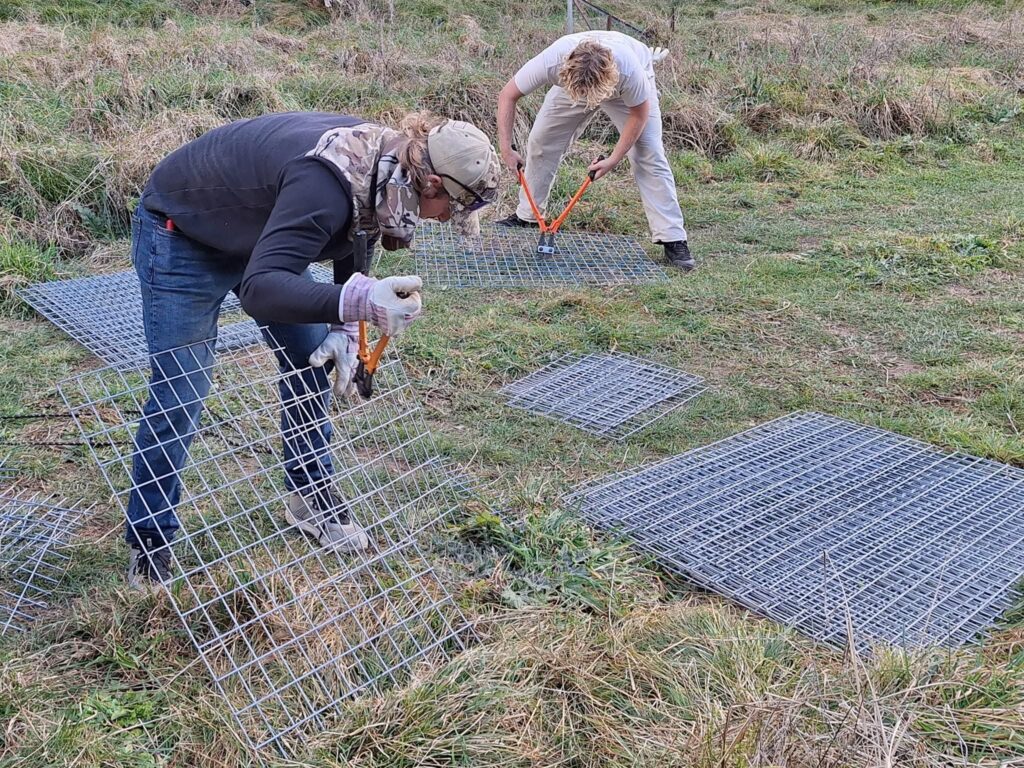
That means planting native eucalypts, building tree corridors to connect safe zones, and partnering with scientists to ensure the restored environment can support long-term survival.
SHWS’s work will also contribute to the broader Great Koala National Park vision, which aims to create a protected corridor linking habitats from Morton National Park through to the Blue Mountains, a vital step in safeguarding the future of this iconic species.
This corridor, identified as a high-priority region by conservationists, supports gene flow and provides resilience against bushfire and climate threats. It has also been identified as a priority by the NSW Audit Office for improving koala populations, biodiversity connectivity, and climate resilience.

Recovery: It’s Not Just About Koalas
Native tree planting and bush regeneration in general supports a web of biodiversity. Trees cool the soil, improve water retention, and provide shelter and food for hundreds of species. From birds and bats to reptiles and insects, everything benefits when the right trees are in the right place.
Wombats, for example, rely on native grasses, shrubs and secure burrows in undisturbed soil. With better vegetation comes improved protection from predators and weather extremes, and that’s vital for recovering wombat populations in areas affected by disease and habitat loss. Scientific reports show reduced disease transmission, and increased survival rates of the bare-nosed wombats with improved vegetation cover.
A Science-Led, Community-Powered Mission
We’re not doing it alone. Our work is guided by research, and local knowledge. We work closely with university partners and field experts to give our local wildlife a genuine chance to thrive.
Get Involved

On Sunday 27th July, join volunteers all over the country to regenerate our native bushland and environment.
There’s plenty happening; head to the Planet Ark site, and enter your postcode to find an event close to you.
Peter Lewis, SHWS Co-Founder and Chair, puts it simply: “We all share a responsibility to care for our native environment. renewal isn’t just about animals, it’s about restoring the systems that support them.”
John Creighton, SHWS Co-Founder and longtime wildlife rescuer, agrees: “There is so much need, and so many people who care. Rebuilding habitat gives our wildlife a fighting chance, and it’s something the community can be part of.”
Want to help us grow the future?
Sign up to our Newsletter, Donate to our Foundational Appeal, or follow our journey online.