Every August, National Science Week shines a light on the way science helps us understand our world.
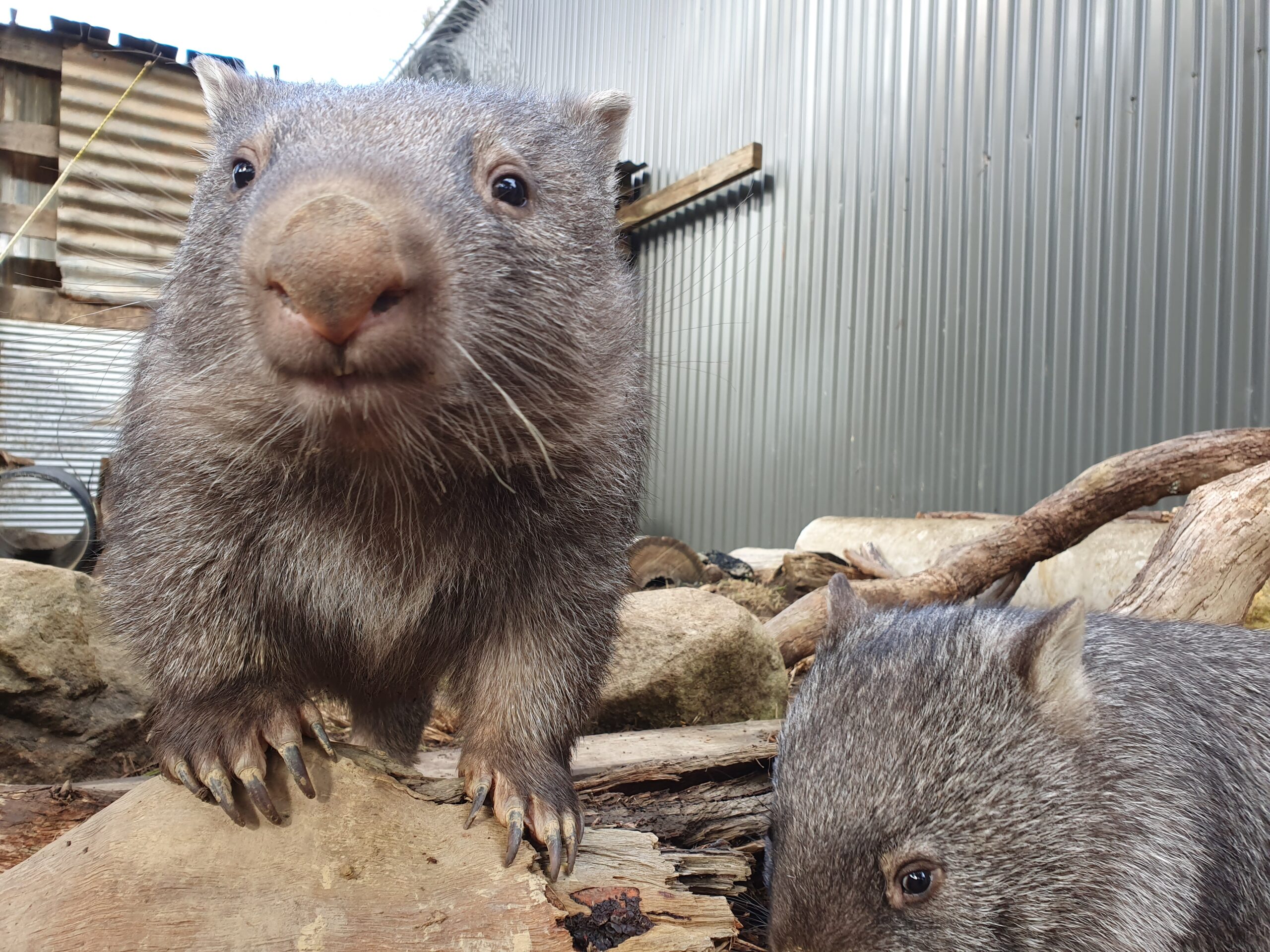
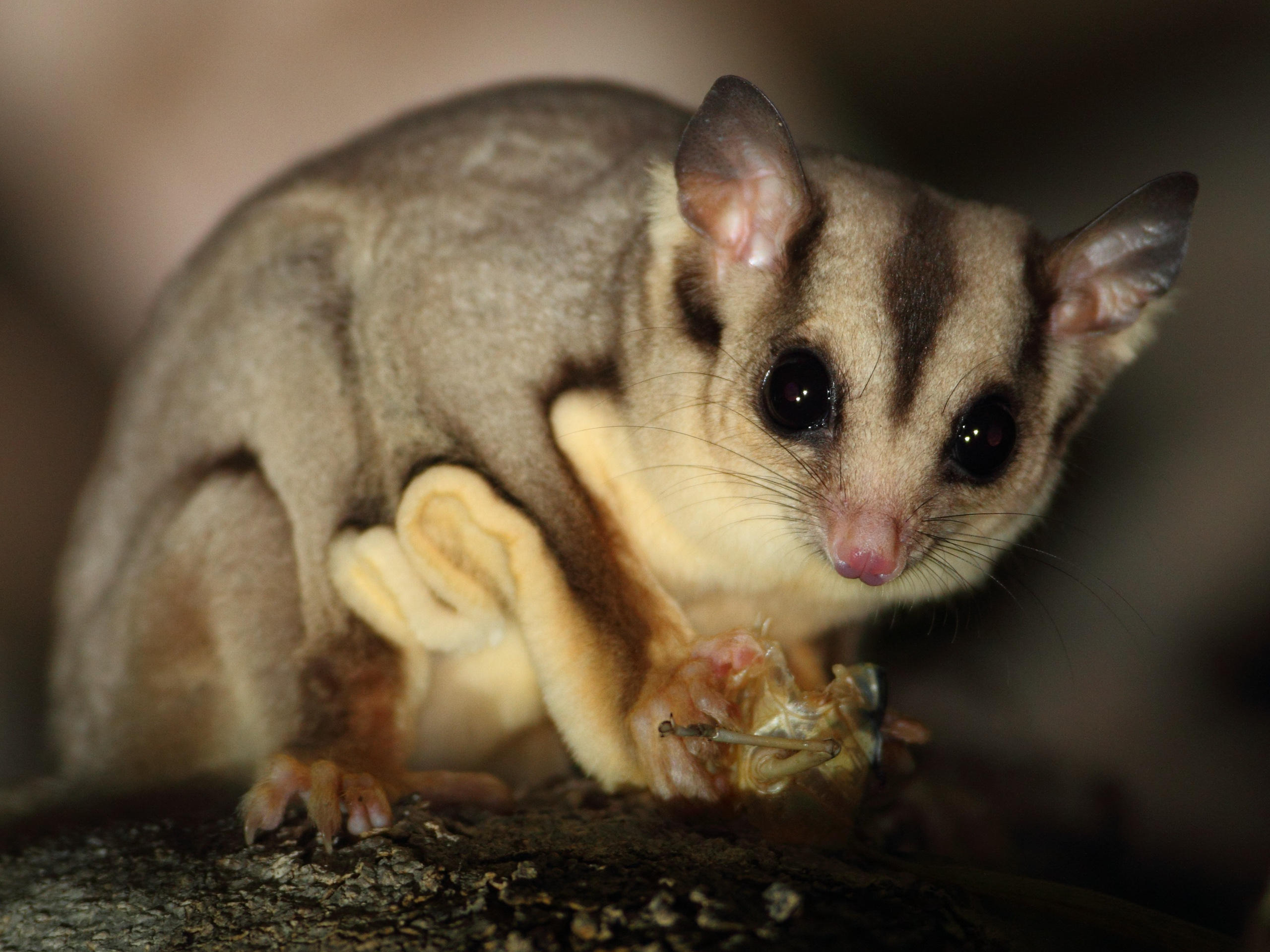
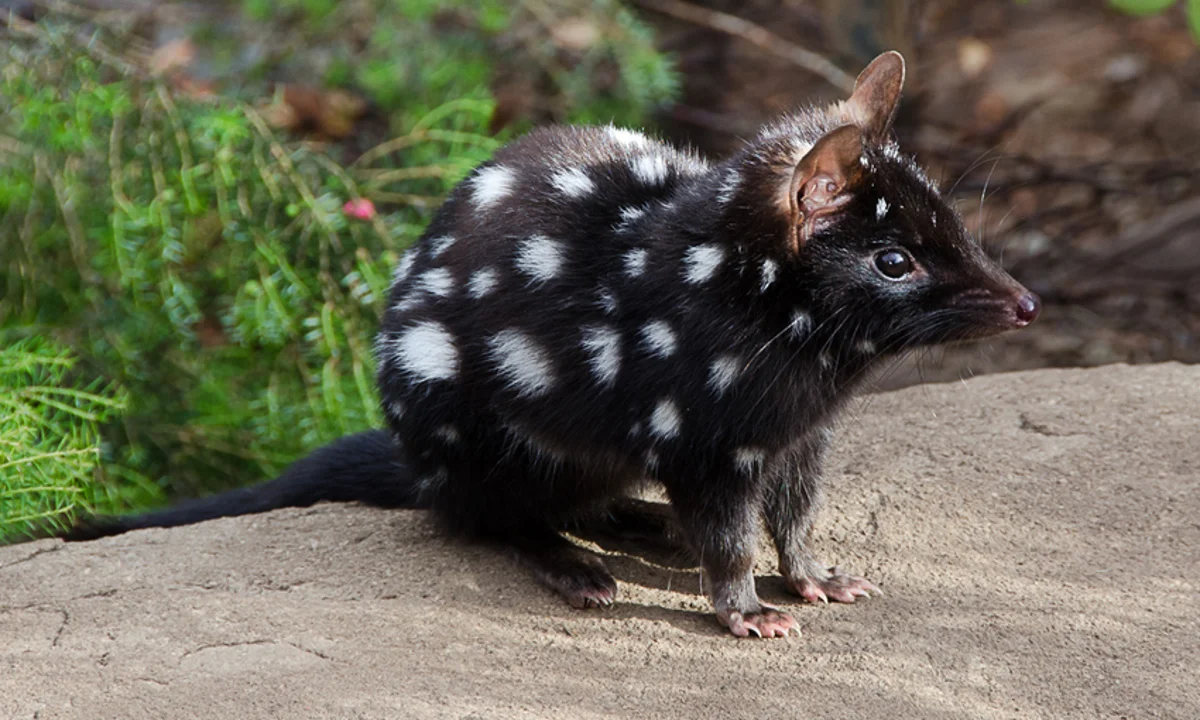
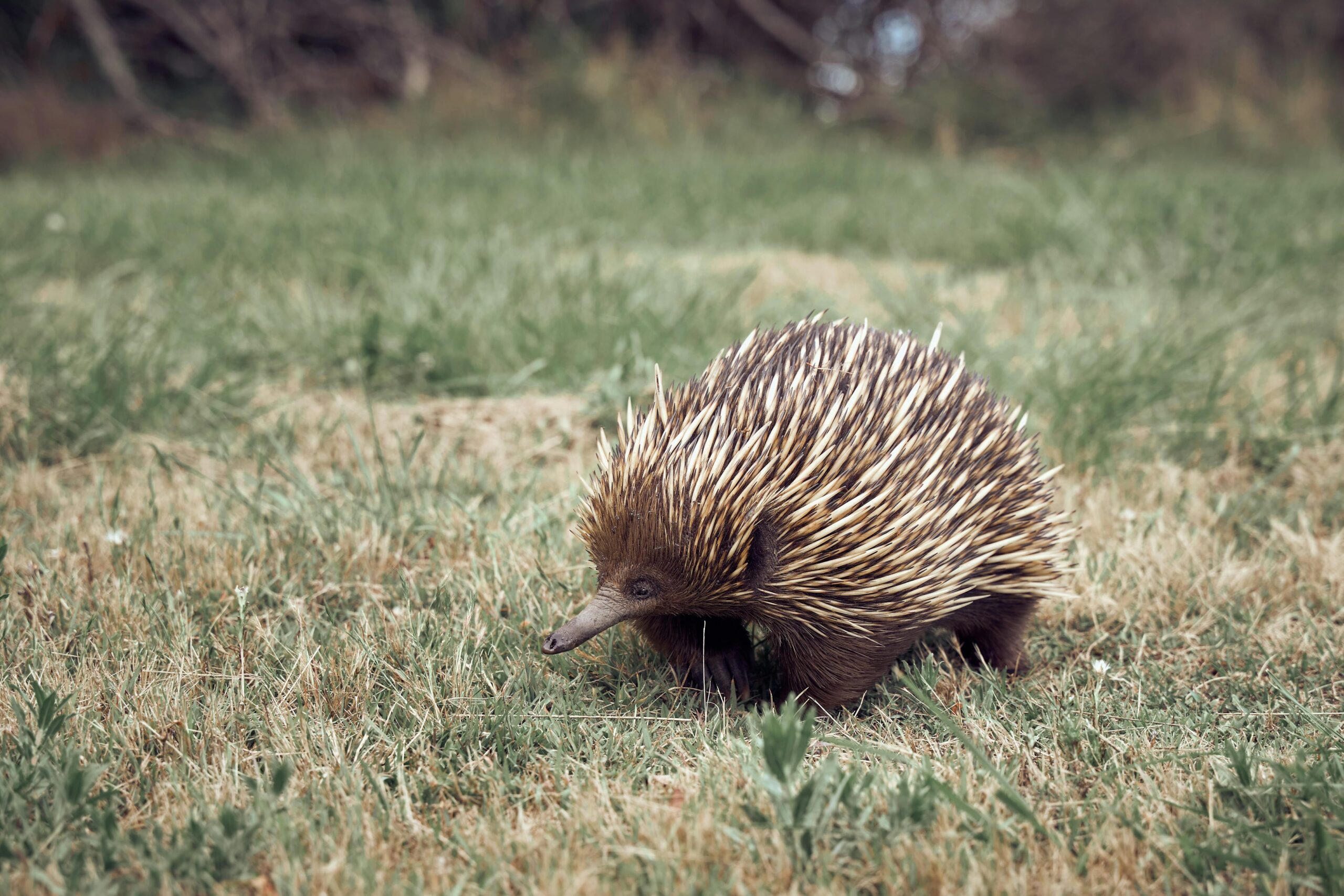
This year, Southern Highlands Wildlife Sanctuary (SHWS) is putting the focus on Australia’s marsupials (and their close friends the monotremes), and why the story doesn’t end with wombats, and on how science is making a real difference in their survival.
SHWS is known for its work in wombat rescue, rehabilitation, and habitat protection. But its mission is bigger than emergency care. It is part of a bigger picture; a story about the health of our ecosystems and the impact of human activity.
Marsupials as Ecosystem Engineers
Australian marsupials aren’t just cute; they shape the very land they walk on.
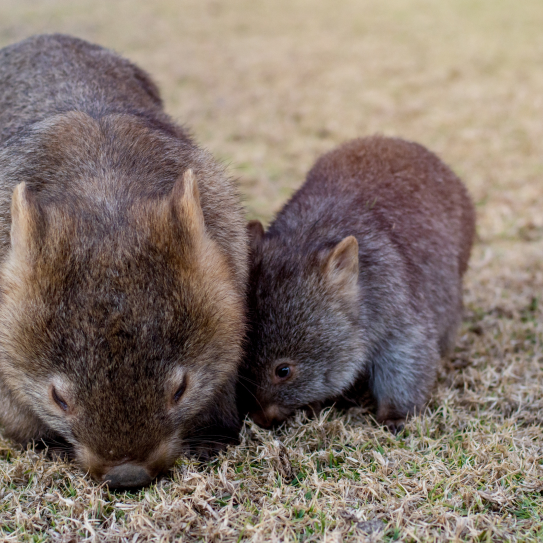
Wombats dig burrows that create shelter for other species. Koalas maintain the health of eucalypt forests. Kangaroos and wallabies help manage ground vegetation. When these animals are injured or displaced, it can signal problems that extend across the environment.
Many, like bettongs and potoroos, are known as “ecosystem engineers”; their digging and foraging help aerate soil, disperse seeds, and encourage plant growth. That means protecting marsupials enables the protection of the broader ecosystem, a critical insight that drives SHWS’s conservation work.
Conservation Science in Action
Modern conservation relies on more than goodwill; it needs evidence.
The threats facing Australian marsupials are real and growing: habitat loss, invasive predators like cats and foxes, and climate change all play major roles. Science brings solutions, from using genetics to inform breeding programs to designing wildlife corridors and strategic habitat restoration.
Ecologists use rescue records, field observations, and environmental data to assess the health of species and their habitats. For example, Australia has more than 200 marsupial species, and many face threats from habitat loss, introduced predators, and vehicle strikes.
By looking at injury and rescue patterns, scientists can identify high-risk areas for wildlife and work with councils, landowners, and road planners to implement preventative measures. Research into marsupial population trends also supports habitat restoration and informs public education campaigns.
These scientific insights inform SHWS as we plan and evaluate rescue and rehabilitation efforts.
The Power of Citizen Science
You don’t need a lab coat to contribute to conservation; citizen scientists have become a powerful force in conservation.
Across Australia, community wildlife surveys, photo uploads, and local observations have helped identify species declines, track disease outbreaks, and even rediscover animals thought to be locally extinct.
Community reports often reveal emerging issues before they’re picked up in formal studies. By turning everyday encounters into data points, locals can play a direct role in protecting the species they share the region with.
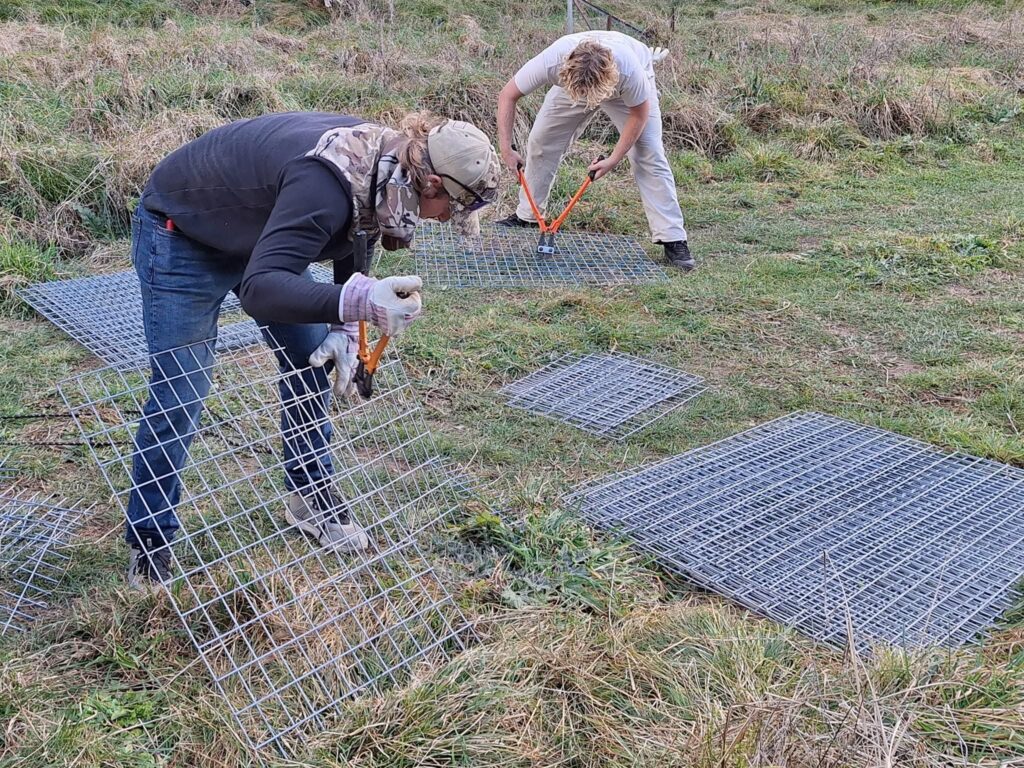
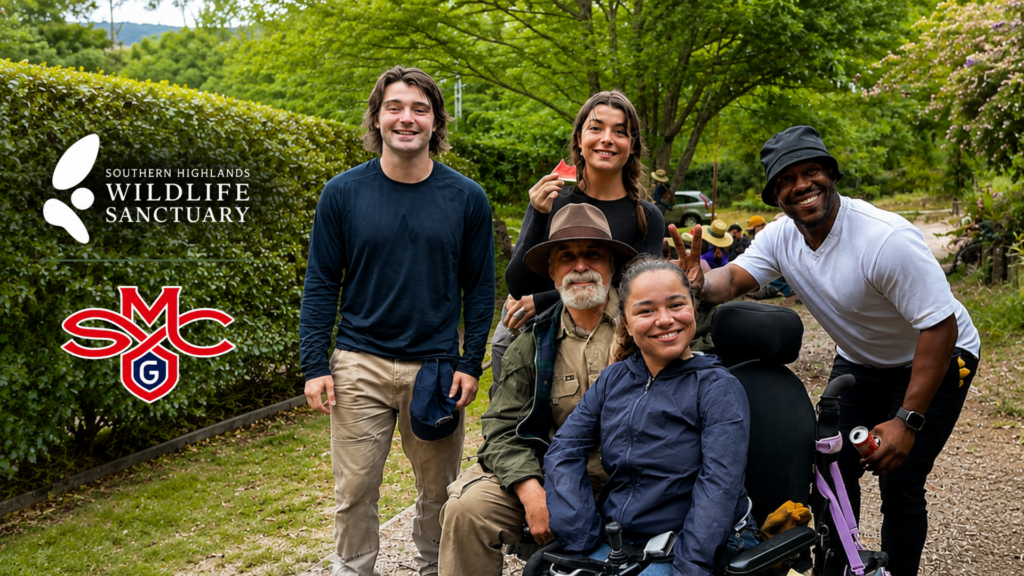
In the Southern Highlands, SHWS encourages locals to contribute by reporting sightings to relevant research projects, participating in community habitat plantings, or volunteering their time. These small actions can feed into large-scale conservation strategies and help keep native species thriving.
SHWS is laying the groundwork for deeper collaborations and community engagement. As part of this, we are developing our own Citizen Science App, WildSpot, which will allow users to record wildlife sightings and more, helping to inform our research. Access to WildSpot will be offered first to SHWS members once it’s ready to launch.
SHWS’s Commitment to Community Collaboration
While SHWS is rooted in wildlife rescue, it’s increasingly walking in step with conservation science. The sanctuary is exploring partnerships, to highlight leadership and local expertise.
SHWS has become known for its work in wombat rescue, rehabilitation, and mange treatment. But as climate pressures mount and native habitats shrink, the sanctuary is expanding its focus to wider wildlife conservation science.
This Science Week, SHWS invites the public to look beyond the iconic image of a wombat or a kangaroo and consider the bigger picture.
Locals can support conservation by donating, volunteering, or reporting sightings to relevant research projects.
- SHWS is currently seeking financial support to continue this important work.
- Coming soon: WildSpot! Turn your wildlife sightings into real conservation action — first access for SHWS members – so become a member today ????
- The Southern Highlands Platypus Project has a platypus tracker to inform the data and protect the species.
You can also find out more information about volunteering or anything else by contacting us.