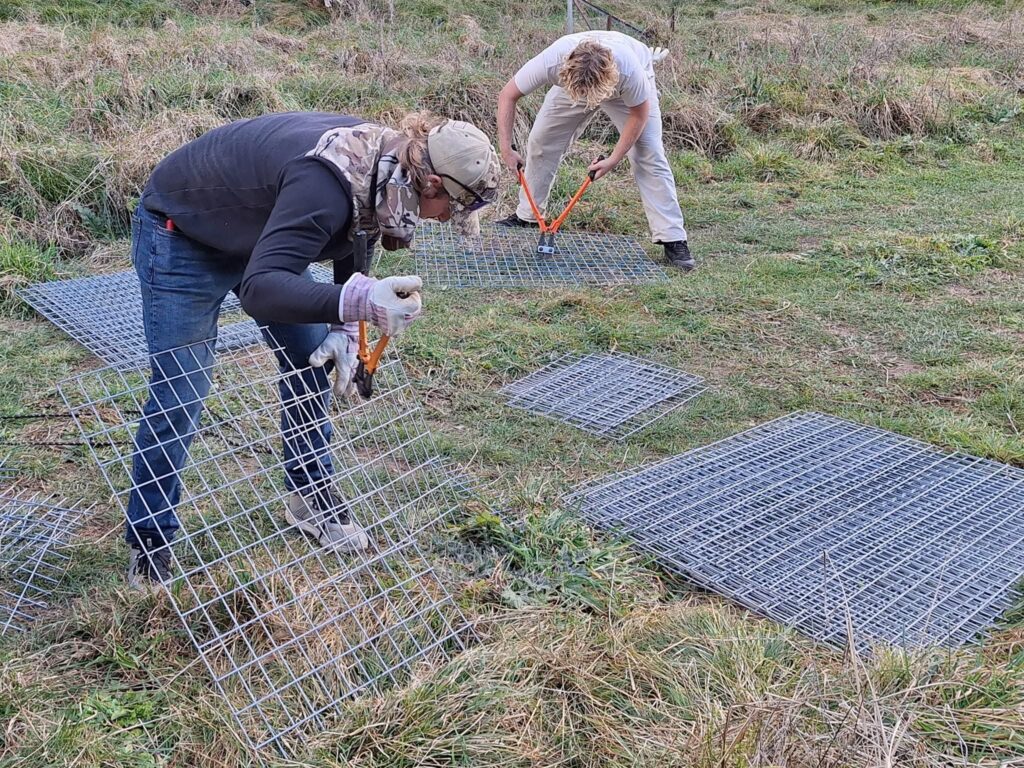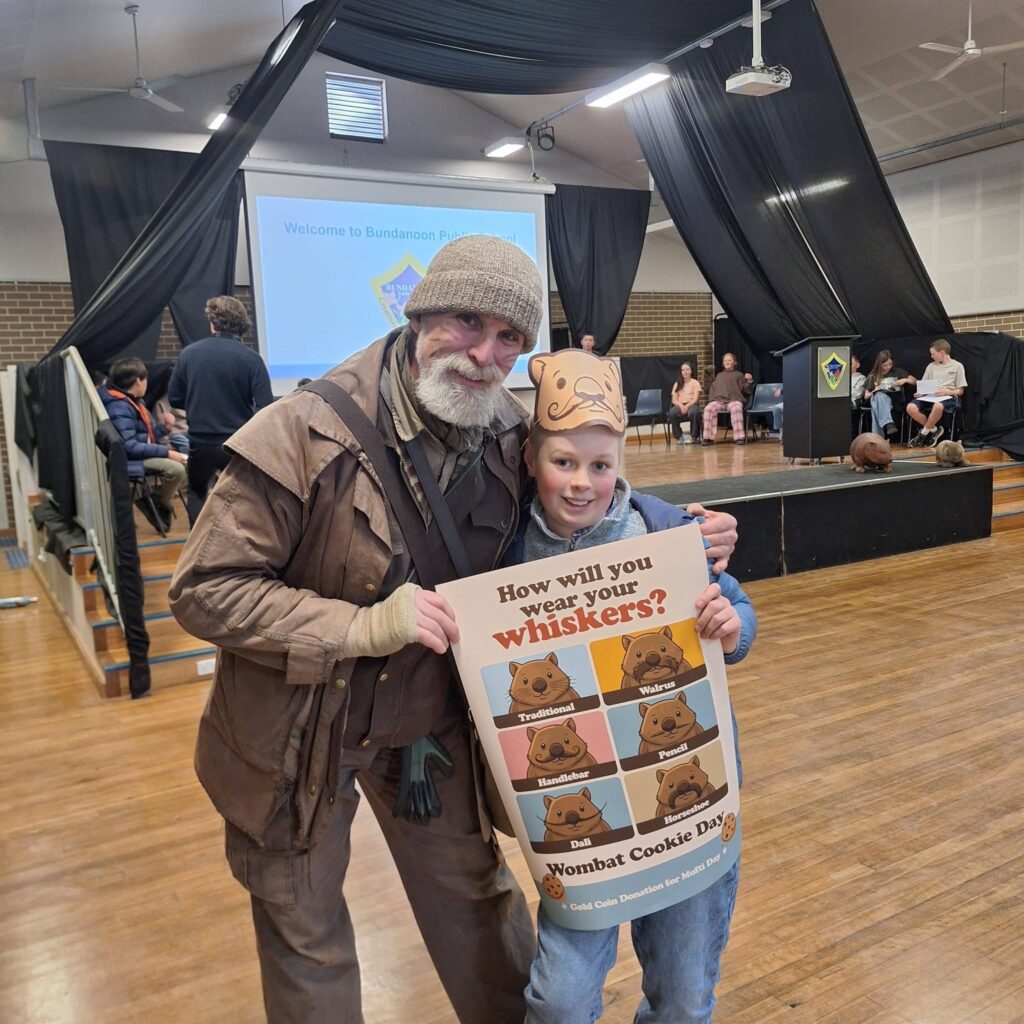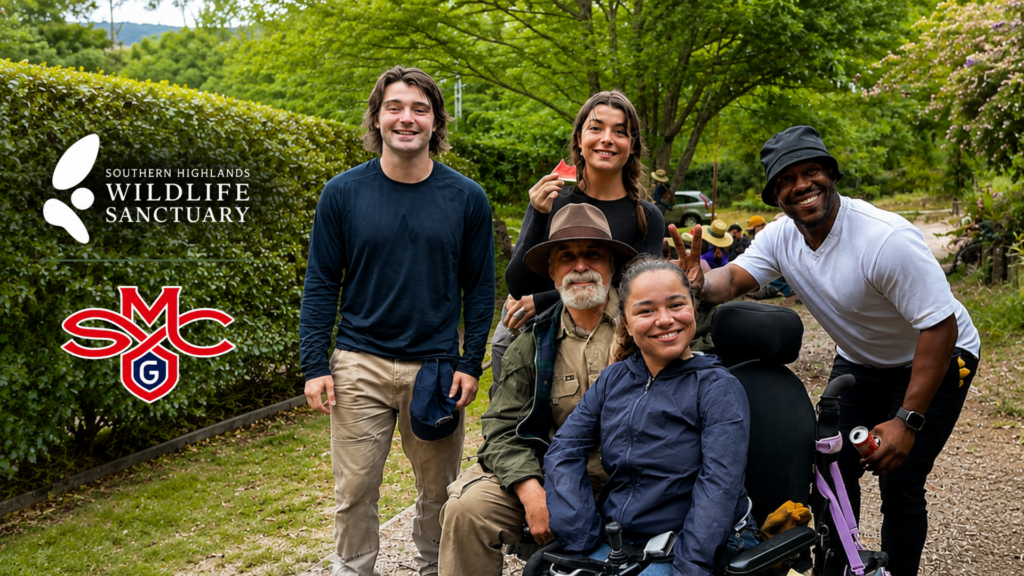

SHWS isn’t working in isolation. Partnerships with universities and conservation groups will be central to tackling challenges like wombat mange and planning for rewilding projects. These collaborations can connect local data with national conservation science, ensuring our region contributes to the bigger picture of wildlife recovery.
By focusing on disease management and habitat restoration, in the Morton National Park SHWS aims to help lay the groundwork for returning healthy koala populations to a landscape where they’re now locally extinct.
Proof That Science Works
Science-led conservation has already shown what’s possible for marsupials. The Tasmanian devil, once pushed to the brink by facial tumour disease, is being given a second chance. Insurance populations at Barrington Tops in NSW and Maria Island off Tasmania have allowed disease-free devils to breed and slowly rebuild their numbers.
In Western Australia, the reintroduction of brush-tailed bettongs (woylies) into a fenced reserve at Mallee Cliffs National Park (and other sanctuaries and reserves across Australia) has brought a species back to country where it had been absent for decades. Careful monitoring and habitat management have made it one of the nation’s most successful conservation projects.
These examples prove the power of pairing fieldwork with science; the same approach SHWS is applying in its mission to protect koalas, wombats and other native wildlife.
Citizen Science Matters Too
Community involvement is key. Across Australia, citizen scientists are proving how powerful everyday observations can be. From noting roadkill to reporting healthy sightings, these contributions help identify patterns faster than formal studies alone.
At SHWS, volunteers and locals can directly support conservation by recording observations, assisting with field projects, or contributing to research programs — it’s science powered by community.
By becoming a member, you’ll not only strengthen our conservation efforts but also gain early access to our upcoming citizen science app, WildSpot — helping us track wildlife, collect vital data, and drive research that protects our native species.
Why This Matters for Biodiversity
Marsupials are more than iconic faces of Australian wildlife. Wombats engineer ecosystems with their burrows, gliders pollinate native plants, and kangaroos help manage grasslands. Protecting them protects everything connected to them.
But biodiversity is under real strain. According to the Australian State of the Environment Report, almost 1 in 3 native species is threatened. Without science-led interventions, declines could accelerate. That’s why sanctuaries like SHWS are stepping up, combining hands-on rescue with research to support recovery.
Looking Ahead
This Biodiversity Month, SHWS is inviting partners, researchers, and community members to help shape the future of wildlife care. By weaving science into sanctuary work, we can move from treating symptoms to addressing causes.
Wildlife rescue will always matter. But when it’s combined with research and restoration, it has the power to change the outlook for entire ecosystems.
SHWS needs the support to make these important initiatives happen. Find out how you can help here.
Image Credit: A koala in the DNA lab at the Australian Museum Research Institute. An international team of scientists sequenced the first full koala genome, helping to explain how it digests toxic eucalyptus leaves and why it is susceptible to chlamydia. (Stuart Humphreys/Australian Museum Photo)