December is a planning month for the Southern Highlands Wildlife Sanctuary (SHWS); a time to look beyond the daily realities of rescue and think about the systems that make care and conservation sustainable.
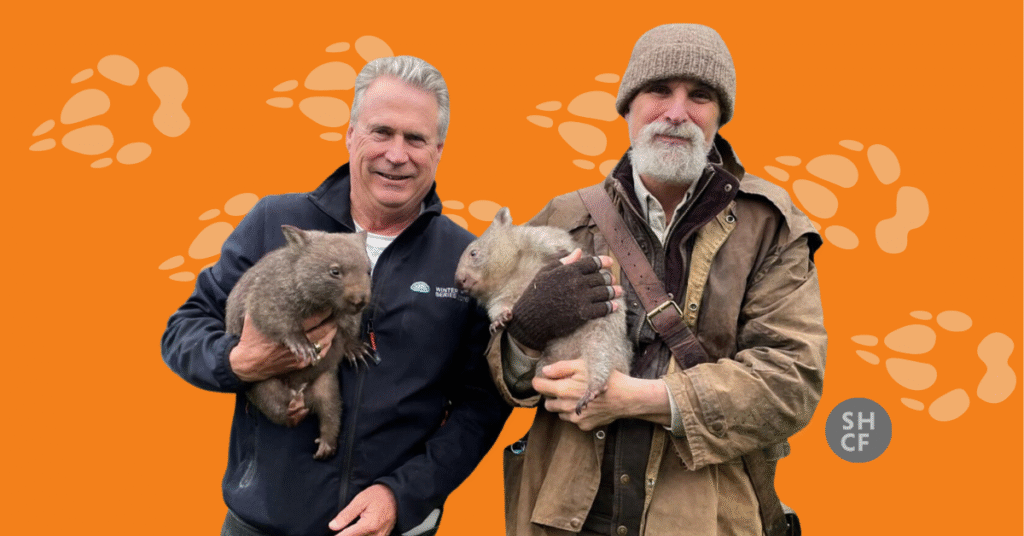
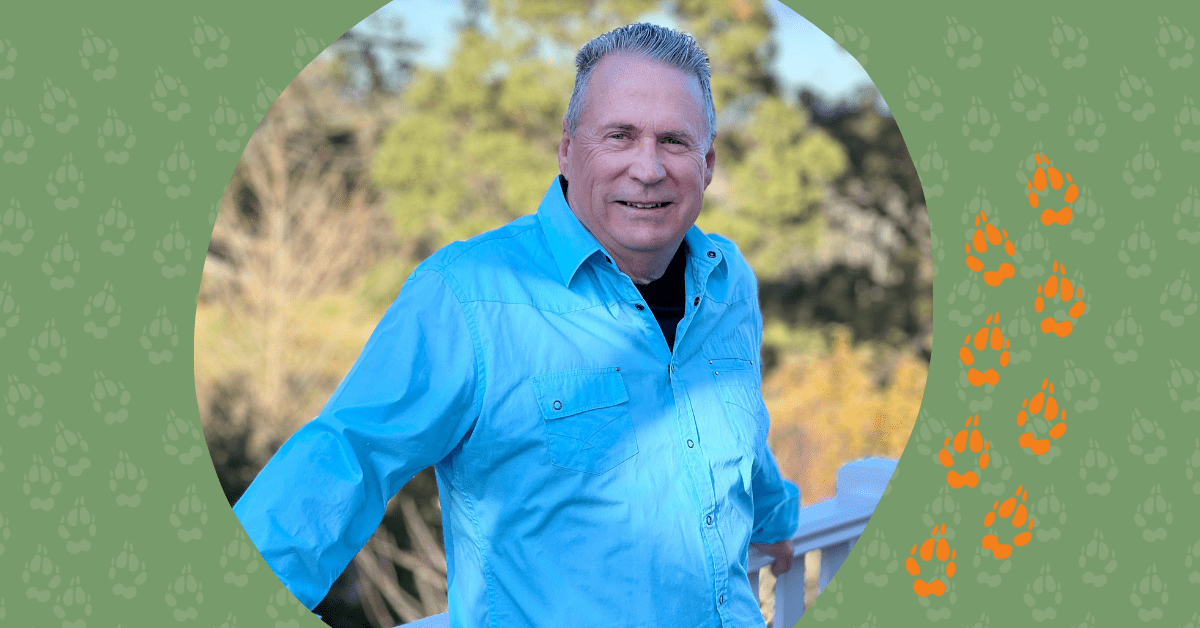
While most people picture conservation as hands-on work in the bush, Co-founder Peter Lewis knows it starts much earlier — with structure, governance, and foresight.
“Wildlife care begins with compassion,” Peter says, “but it’s sustained by planning. The decisions we make now will shape the Sanctuary’s ability to respond for decades.”
Building something that lasts
Peter’s background in business leadership has shaped SHWS’s approach to growth. Where many grassroots projects start by reacting to immediate needs, the Sanctuary is investing time in building its foundations. That means governance, accountability, and long-term planning, before operations even begin.
That includes designing systems for funding, data management, volunteer engagement, and rescue coordination. Each layer adds resilience.
“We’re applying the same strategic discipline you’d see in any well-run organisation,” Peter explains. “Because if we want real environmental impact, we need to treat conservation with the same level of professionalism.”
Why structure matters as much as compassion
Behind every rescue is a framework: equipment maintenance, grant management, safety protocols, reporting, and communication. SHWS’s planning sessions focus on how these systems connect to ensure every action, from roadside rescue to habitat restoration, contributes to a larger recovery model for the Southern Highlands.
It’s what will allow the Sanctuary to scale.
When volunteers know where to report sightings, when data from rescues feeds into future research, and when funding is tracked transparently, the Sanctuary becomes more than a place of care; it becomes a hub of community science.
Turning funding into long-term impact
In recent months, SHWS has secured multiple grants for rescue infrastructure, including new equipment and a custom-built trailer. Each one represents a step in a broader investment strategy.
“We see funding as seed capital for impact,” Peter says. “Every dollar has to grow something — capability, data, community awareness, or habitat.”
This approach ensures the Sanctuary’s financial planning supports outcomes, not overheads. By treating grants and donations as part of a clear strategic plan, SHWS is proving that conservation can be both heart-driven and results-driven.
Strategy meets science
The Sanctuary’s model is built on connection: between community volunteers, local carers, and national research networks. Planning sessions include developing protocols for future partnerships with universities and agencies, ensuring the Sanctuary’s data and research feed into wider conservation science.
The integration of field care supported by structured research is what will allow SHWS to measure and replicate success across species and sites.
“We’re not just creating a sanctuary,” Peter says. “We’re creating a template for how regional conservation can work — locally grounded, scientifically informed, and community led.”
Future-proofing conservation
The Sanctuary’s work may still be in its early stages, but its direction is clear. SHWS is building something more durable than any single season or project: a model for how local conservation can operate with professional rigour and community heart.
“If we build structure first, the impact will follow,” Peter says. “That’s what makes this more than a rescue effort. It’s a legacy project for the region.”
SHWS’s work depends on collaboration: from the people who plan and build to the community that believes in its mission. Every partnership, grant and volunteer adds to the foundation being laid now for the region’s future sanctuary.
💚 Help us grow, watch us thrive.
SHWS is actively seeking corporate, local and individual support – you can find out more here.
Become a member and join a network of locals shaping real conservation change.