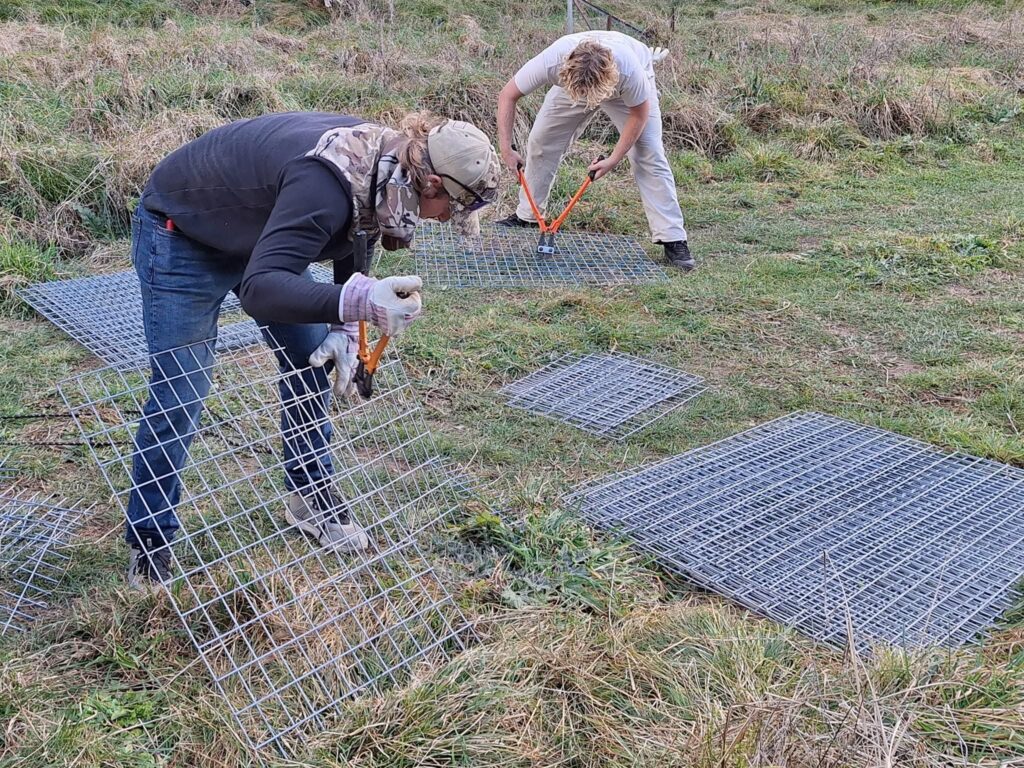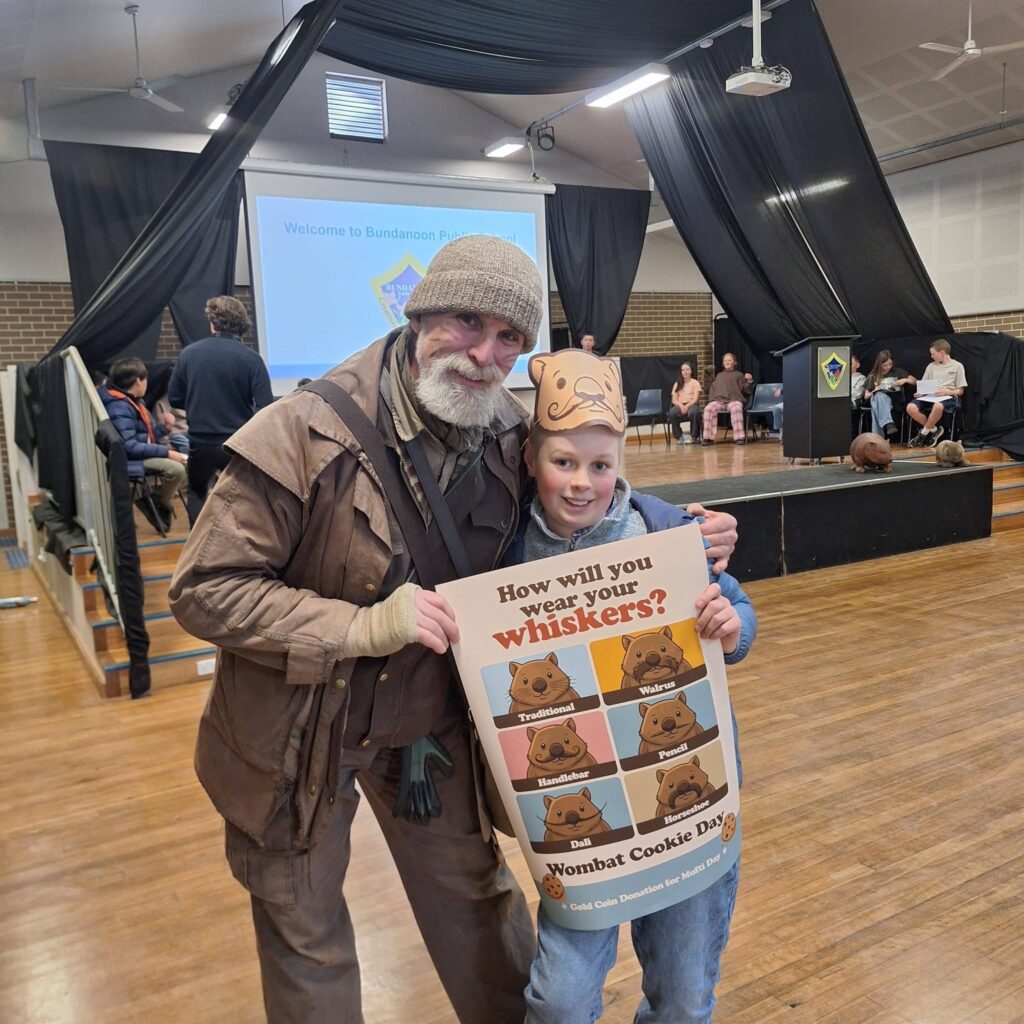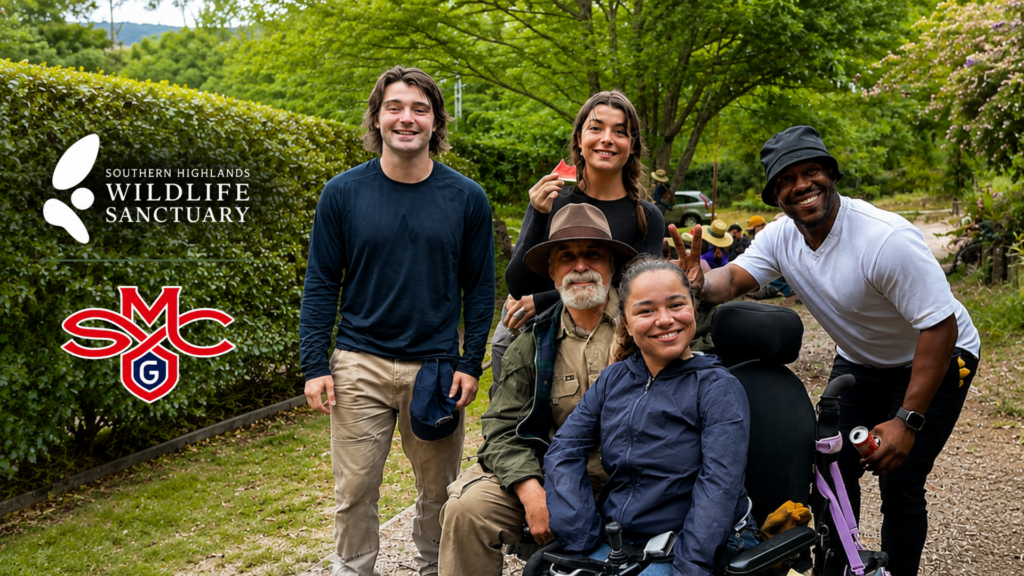
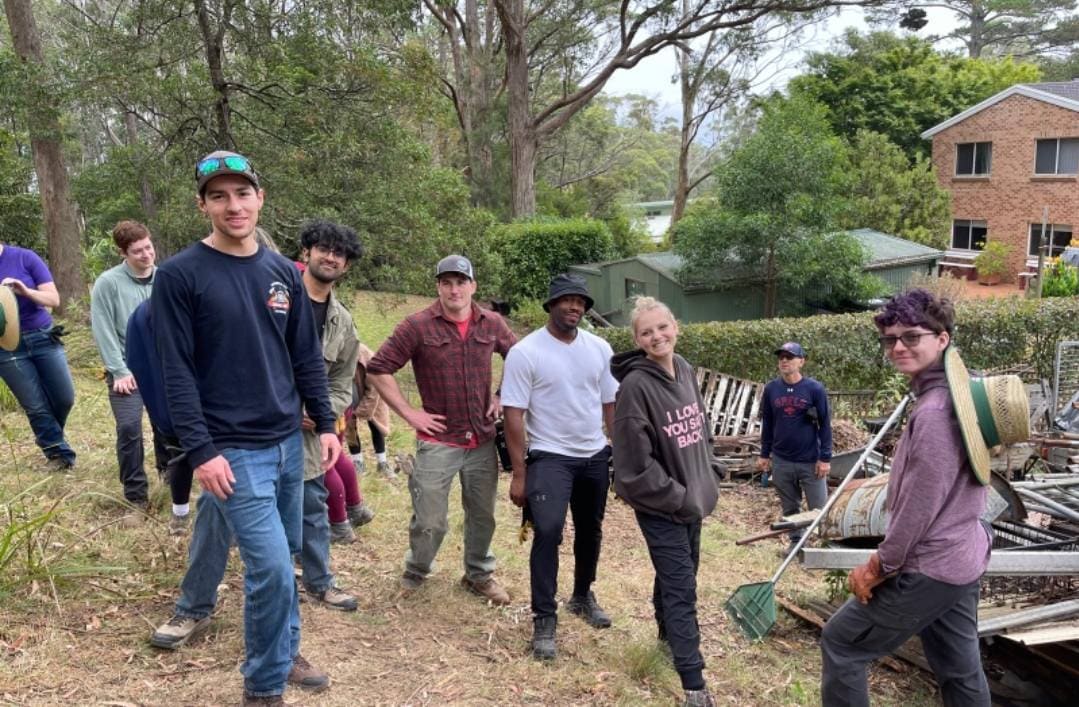
When people think about wildlife conservation, the focus is often on the animals themselves. They see images of koalas clinging to survival, wombats recovering from injury, or the fragile habitats under constant threat. But behind every successful rescue and every hopeful release is another story: one that is just as vital to the future of conservation. It is the story of the people who show up, day after day, to care for wildlife.
Across Australia, wildlife rescue and rehabilitation relies heavily on volunteers. These individuals give their time, skills, and emotional energy to animals that cannot advocate for themselves. Volunteers are carers, responders, educators, and the unsung guardians of our natural world. At the Southern Highlands Wildlife Sanctuary (SHWS), volunteers are not an addition to the work; they are fundamental to it.
The Need Is Great, and the Carers Are Few
Demand for wildlife rescue continues to grow. Habitat loss, climate extremes, vehicle strikes, disease, and human encroachment have placed unprecedented strain on native species. At the same time, the number of people able to sustainably carry out this work has not kept pace.
This imbalance creates real risk. Wildlife care is physically demanding and emotionally complex. Carers witness and experience trauma, loss, and uncertainty up close. They celebrate recoveries while mourning animals that don’t survive. Without adequate support structures and training, even the most dedicated carers can face exhaustion and burnout.
In New South Wales, the stakes are especially high. Koalas are projected to become extinct in the wild by 2050 if current trends continue. Responding to this crisis requires more than goodwill. Also essential is good science, strong infrastructure and people who are supported to keep showing up.
Building Strong Foundations Before Scaling
At SHWS, we believe caring for wildlife means caring for the carers, too. As the Sanctuary grows, we are intentionally taking a measured, responsible approach to expansion. Rather than rapidly scaling volunteer numbers, we are focused on building strong foundations first.
This means establishing clear standards of care, ethical frameworks, and structured training pathways that protect both animals and the people caring for them. Wildlife carers are a precious and finite resource. Supporting them properly is essential for long-term conservation success.
Across the wildlife care sector, the requirements to obtain licensing are rigorous. Yet ongoing support and standards for wildlife care can vary widely. SHWS sees this not as a shortcoming of any group or individual, but as an opportunity to build a better system together for the future.
Education, Ethics, and Holistic Support
Central to our vision is the development of the SHWS Education Centre and Research Centre of Excellence. These facilities have several purposes. They are part of our aim to advance scientific knowledge and conservation outcomes. They are also about investing in the people behind the work.
SHWS is developing a comprehensive code of ethics for volunteer wildlife carers. The code is informed by international best practice, including established models from the United States. We are also investing in education and curriculum development to formalise training, set clear expectations, and support carers throughout their journey, not just at the point of licensing.
Holistic care means recognising that sustainable animal welfare depends on the wellbeing of the people involved. It means creating environments where volunteers are trained, feel supported, and able to step back when needed, without guilt or pressure. You cannot sustain high-quality wildlife care without caring for the carers.
A Shared Responsibility
Volunteers at SHWS come from all walks of life. Some have decades of wildlife care experience; others are learning how to safely support native animals for the first time. What unites them is a shared belief that protecting wildlife is a collective responsibility.
As Australian biodiversity loss accelerates, volunteer networks will become even more critical. They are the connective tissue between science and community, between crisis response and long-term recovery. By valuing and supporting the people behind the work, we strengthen the future of conservation itself.
How You Can Support This Work
There are many ways to help ensure wildlife carers are not left to shoulder this responsibility alone. For some, that may mean volunteering time or skills. For others, it may mean supporting the infrastructure and education enabling carers to do their work safely and sustainably.
Corporate partners, government stakeholders, donors, and community members all play a role in building a model of wildlife care that is ethical and resilient.
At SHWS, every rescued animal carries a human story alongside it of patience, resilience, compassion, and hope. Caring for wildlife is a shared responsibility. Caring for the carers is how we ensure that responsibility can be carried into the future.
Help Us Grow. Watch Us Thrive.
Our work is only possible because our community stands with us. By joining as a member or making a donation, you help fund education programs, rescue equipment, infrastructure, and the day-to-day support that makes sustainable wildlife care possible.
If you are interested in volunteering, partnering with us, or supporting this work through philanthropy or corporate sponsorship, we would love to hear from you.
Together, we can build a future where wildlife and the people who care for them can thrive.