Bushfire season doesn’t begin with flames. It builds through heat, dry ground and vegetation under stress long before smoke appears. For wildlife, those early conditions are already dangerous, and by the time fires arrive, many animals are already vulnerable.
Across New South Wales, longer and more intense fire seasons are now expected. At the time of writing we are already witnessing several bush and grass fires peppered across the state.
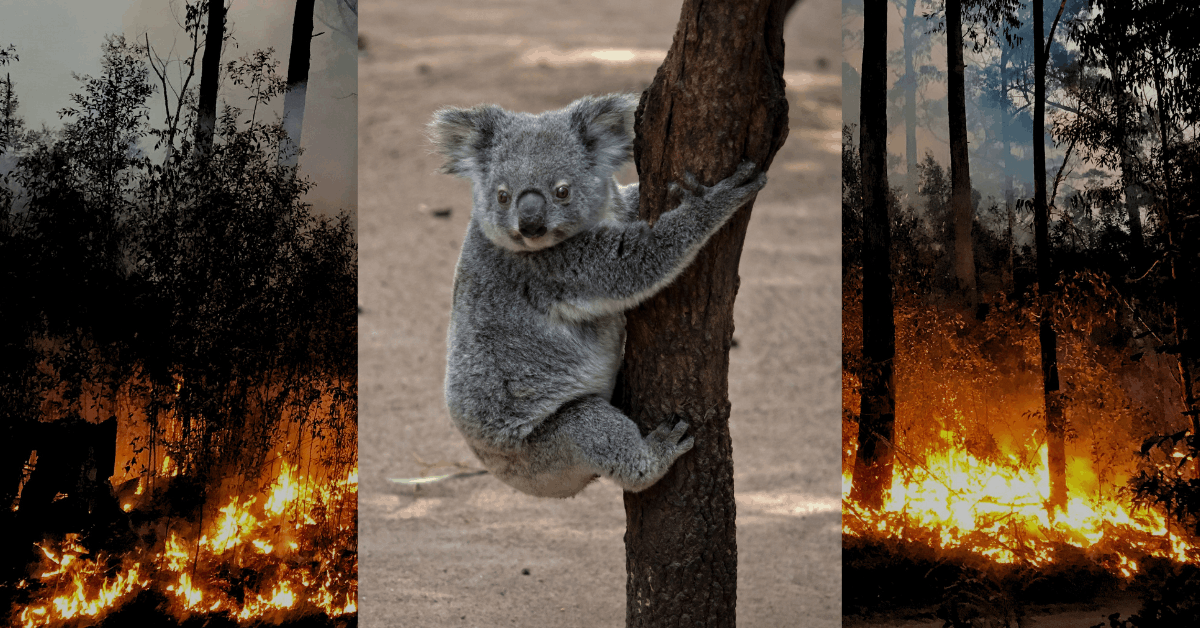
And The Black Summer fires of 2019-20 showed how quickly extreme conditions can overwhelm ecosystems, burning vast areas and leaving long-lasting impacts. 3 million animals perished in the fires that decimated around 30,000 square kilometres of the country.
What’s less visible is what happens after the fire front moves on, when survival becomes uncertain for animals that actually make it through the flames.
For those of us working in rescue and rehabilitation, preparation has to happen before the emergency. That’s the reality of caring for animals in a landscape where drought and fire can quickly change what’s safe, what’s available, and what survival looks like.
What happens after the fire
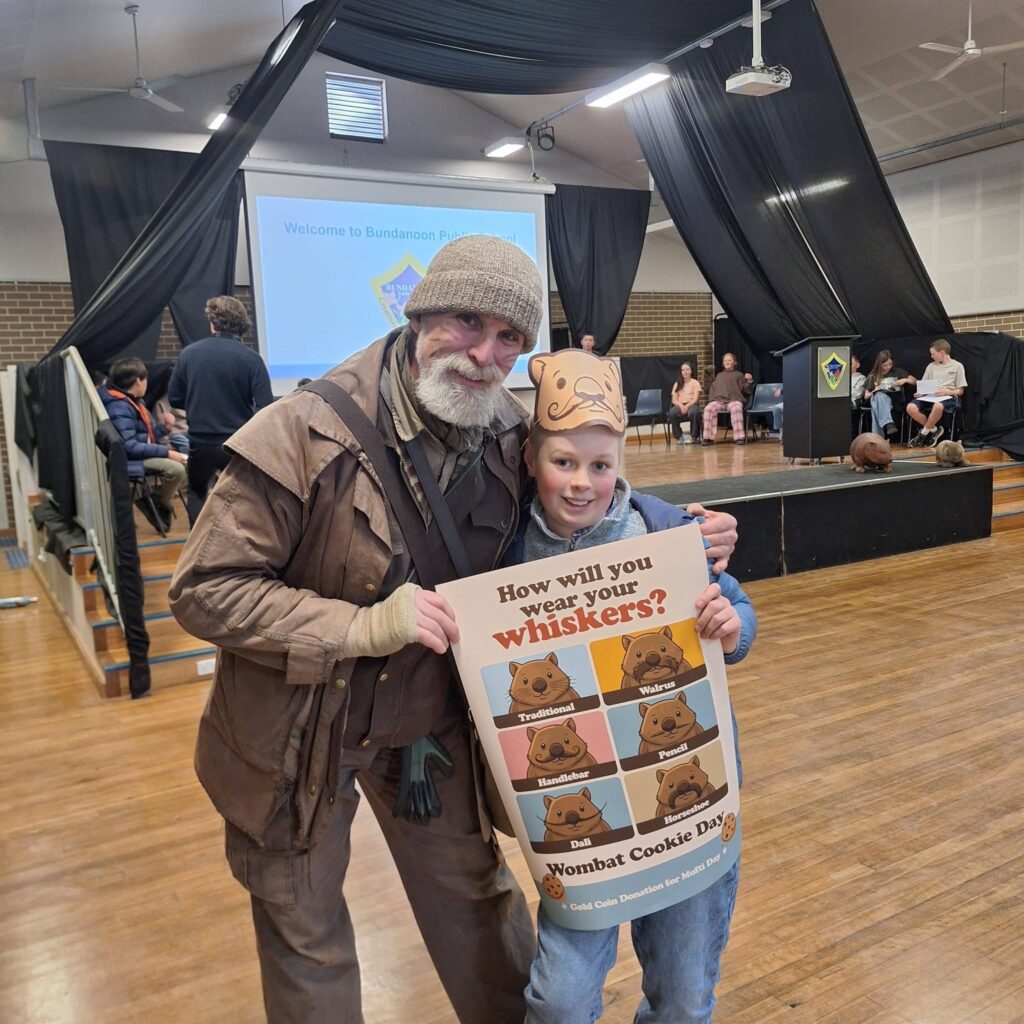
John Creighton has seen that surviving a fire is only part of the story. That’s the reality shown in Our New World, a climate documentary John took part in, part of which was filmed in and around the Southern Highlands.
During major fire events, wombats often survive by retreating deep into their burrows, some stretching many metres underground. Those burrows can act as accidental sanctuaries, protecting not only wombats but other animals seeking shelter.
But when animals emerge, they often face a landscape stripped of food, water and familiar shelter. “Fire doesn’t just destroy habitat,” John says. “It leaves animals in places they no longer recognise.”
In the days and weeks that follow, many animals are injured, dehydrated or disoriented. Joeys can be left orphaned. Others wander exposed, searching for food that no longer exists. “Some animals survive the fire itself but don’t survive what comes after,” John explains. “That post-fire period is often the most dangerous.”
Long after media attention has moved on, communities have to react to environmental change and that includes the long and patient work to support wildlife.
While some areas regenerate quickly, fire reshapes landscapes unevenly, and some parts remain fragile for years. Understanding where animals survive, how they move, and what resources remain is critical to reducing loss.
How SHWS prepares before fire season
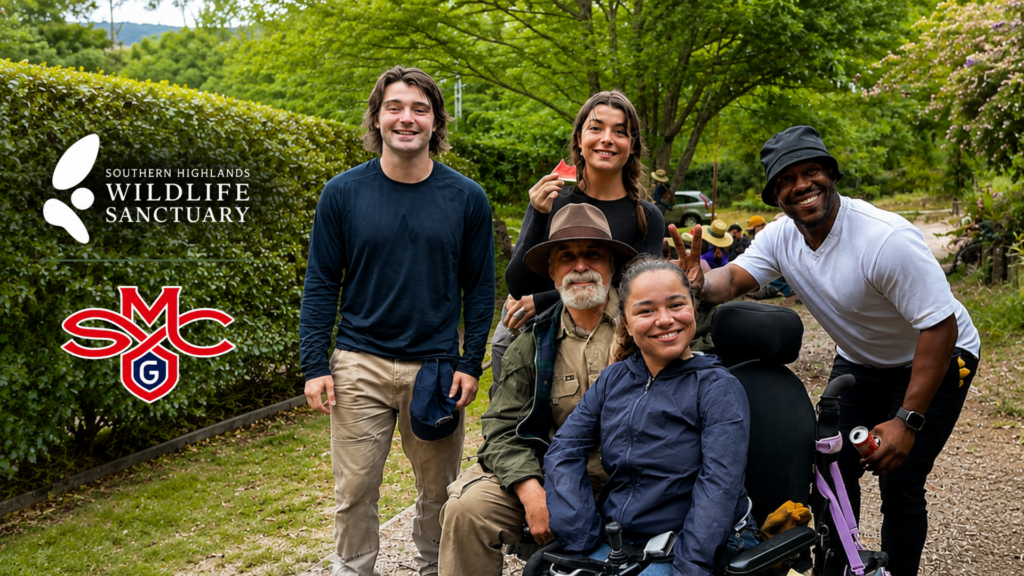
At SHWS, bushfire readiness is built long before temperatures rise. This year, that preparation was strengthened through the hands-on support of students from Saint Mary’s College of California, who volunteered their time to help reduce fuel load on a small but critical block of Sanctuary supported land in Bundanoon.
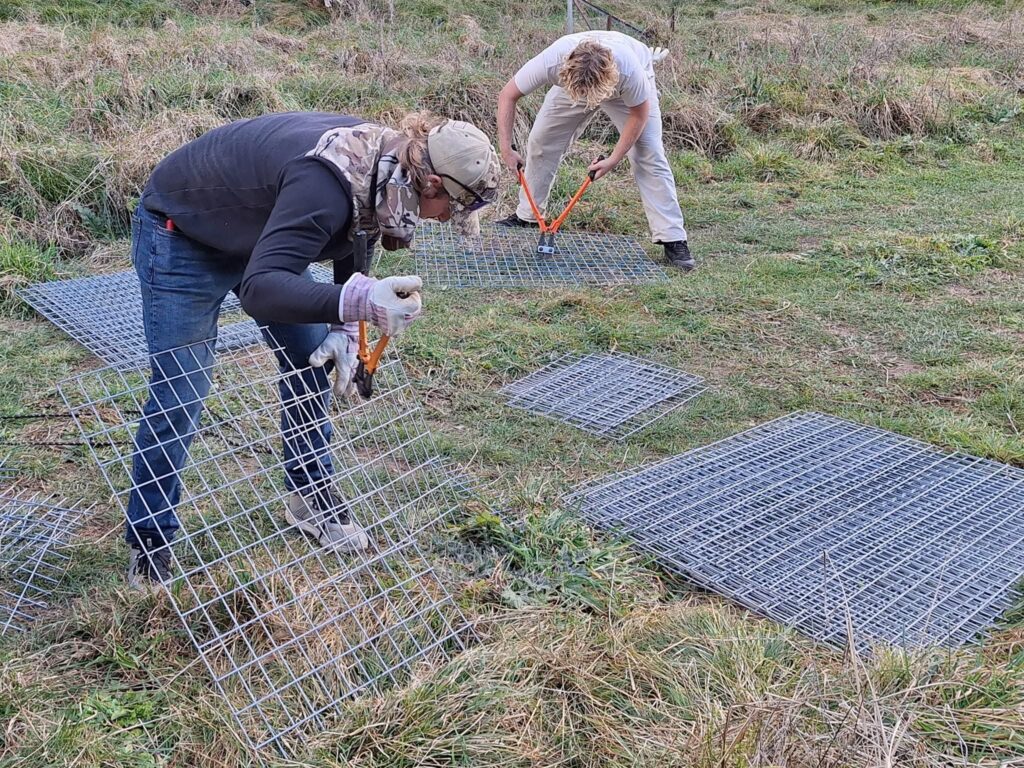
Over a day of coordinated, physical work, the students cleared accumulated dead branches, sticks and wood debris that had built up to dangerous levels. This site sits within a highly fire-prone area, surrounded by neighbouring and suburban blocks, and forms part of a protected natural corridor that supports local wildlife. Managing fuel in this location is essential—not by stripping the land bare, but by reducing risk while respecting the habitat.
The work focused on removing excess fire fuel while preserving what matters most. Native logs, leaf litter and shelter remain in place, maintaining the Shale Woodland character and keeping the area safe and functional for insects, birds and small animals. The result is not a manicured landscape, but a safer one—still rich in life, yet far less vulnerable to fast-moving fire.
Bushfire preparation is rarely a single task. It is ongoing, practical and often unglamorous. Thanks to the commitment of these students, SHWS faces the fire season with this vital refuge better protected—ready to support wildlife when conditions become most challenging.
How communities can help
Bushfire season is hard on wildlife because it changes everything at once: shelter, food, water, movement, safety. But you don’t have to be a wildlife carer to make a difference during bushfire season.
- Early reporting helps. If an injured animal is identified sooner, there’s a better chance it can be reached and supported before stress, dehydration or injury becomes fatal.
- Driving carefully through bushland also matters, especially after fire events, when animals may be moving through unfamiliar areas or crossing roads more frequently.
- After fires, leaving recovering areas undisturbed where possible can also help. Wildlife needs every remaining patch of cover and food, and regrowth takes time.
- Supporting organisations that prepare year-round is another practical step. Rescue and rehabilitation rely on readiness, equipment and people being in place before they’re needed. That work is steady, often unseen, and essential to improving outcomes for wildlife.
Additionally residents in fire-risk areas like the Southern Highlands can help wildlife by planting indigenous species, limiting chemical use, and removing fallen logs or leaf litter where possible. Managing pets responsibly and creating small pockets of shelter and water can give native animals safer pathways and places to recover as they move through fire-affected landscapes.
Bushfires will continue to shape Australian landscapes. What changes is how well we respond. Preparation, observation and early action don’t prevent fire, but they can reduce its impact on the animals that share this environment with us.
That’s the work we’re committed to, and it’s where community support makes a real difference, long before any emergency call comes in.
Help us Grow. Watch us Thrive.
Our work is only possible because our community stands with us. By joining as a member or donating, you help fund rescue equipment, habitat projects and the day-to-day care of local wildlife.
If you are interested in corporate sponsorships or partnerships with us, please contact us directly.