Every year on 3 March, the world marks World Wildlife Day, a moment to recognise the extraordinary diversity of plants and animals that sustain life on Earth.
Globally, the day highlights the urgent need to protect biodiversity. Locally, it asks a more practical question: what can we do, right here in our own communities, to support wildlife conservation?
At the Southern Highlands Wildlife Sanctuary, the answer is local action. Local effort is the foundation of lasting conservation.
Why local wildlife conservation matters
Conservation can seem abstract when framed as a global issue. But the dangers facing native wildlife are very much local.
In the Southern Highlands, wildlife faces many harms: habitat fragmentation, vehicle strikes, land clearing, bushfires and extreme weather events. These hazards continue to affect wombats, macropods, birds and other native species. When an injured animal is found on the side of a regional road, its survival is thanks to the efforts of wildlife carers.
Wildlife rescue and rehabilitation depend on trained volunteers, veterinary partnerships and community awareness. Every call-out, every habitat restoration project and every education session strengthens the safety net around our region’s biodiversity.
That is the power of grassroots conservation.
Strengthening regional wildlife care
This year’s World Wildlife Day is particularly significant for the Southern Highlands.
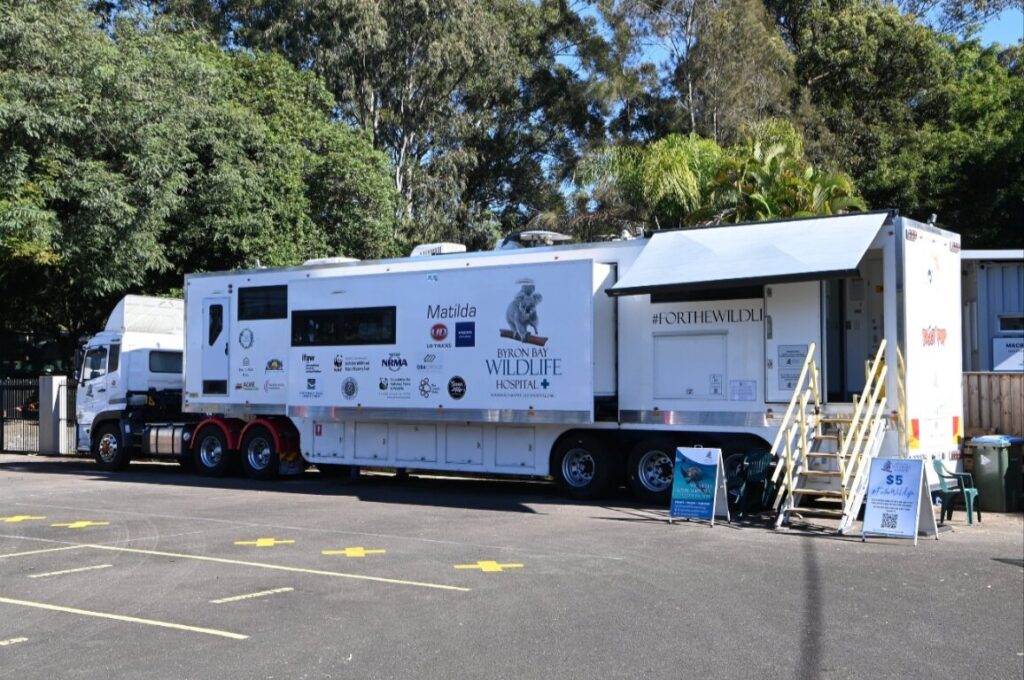
On 8th of March, the region will welcome Matilda Animal Hospital, a purpose-built mobile wildlife hospital operated by Byron Bay Wildlife Hospital, who we are proud to partner with.
Matilda is a full-sized prime mover transformed into a hospital on wheels, equipped with advanced veterinary facilities. Her visit to the Southern Highlands marks the beginning of an ongoing collaboration designed to increase wildlife rescue and treatment capacity across regional NSW.
Come and visit us & Matilda
Sunday 8th of March from 9:00am – 1pm
Matilda will be parked next to the Sutton Forrest Inn
7390 Illawarra Hwy, Sutton Forrest
(If you have any injured native wildlife, you are welcome to bring it to see the vet team at Matilda Animal Hospital on Sunday)
For local wildlife carers and volunteers, this partnership signals the development of a stronger wildlife care corridor between regions. This helps reduce travel distances for injured animals and improves access to specialist veterinary support.
It is a practical example of how local action, backed by strategic partnerships, can elevate conservation outcomes.
Community involvement makes an impact
Conservation is far too large of a responsibility for a single organisation. It is fundamentally a shared effort.
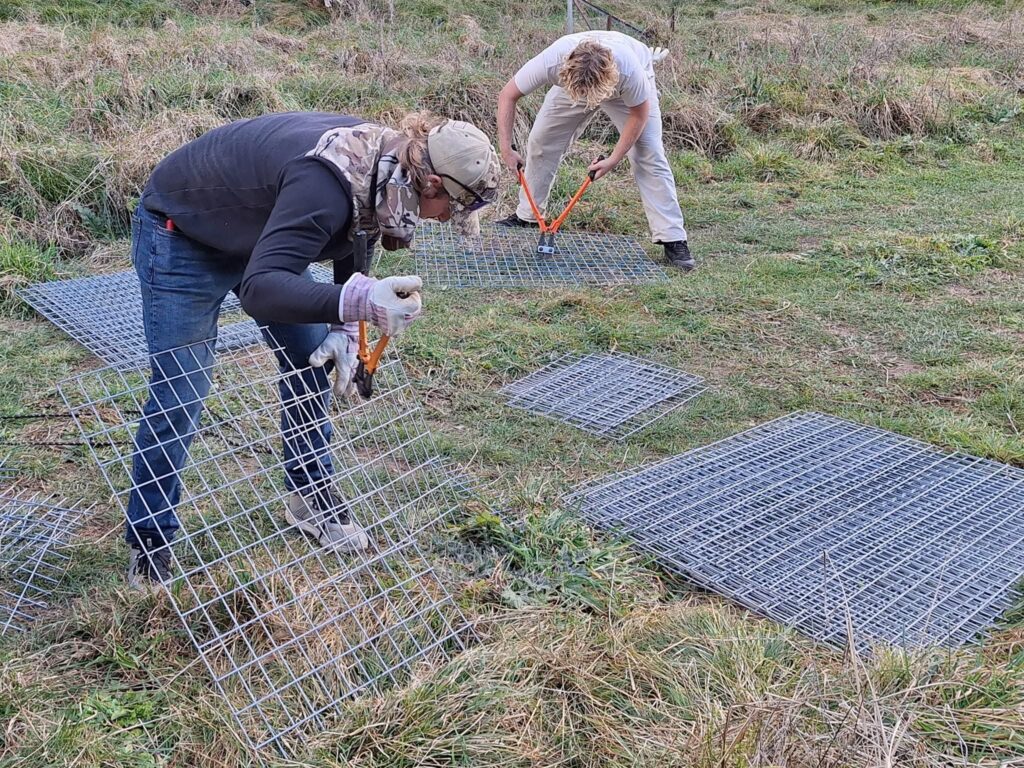
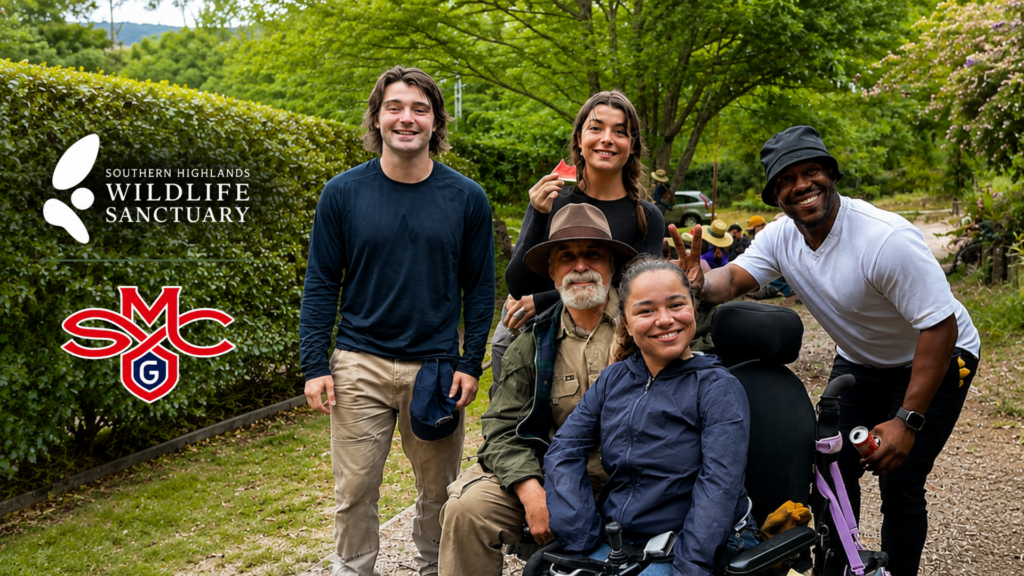
From volunteers who assist with wildlife care and habitat restoration, to landholders restoring native vegetation corridors on their properties, local involvement directly improves biodiversity outcomes.
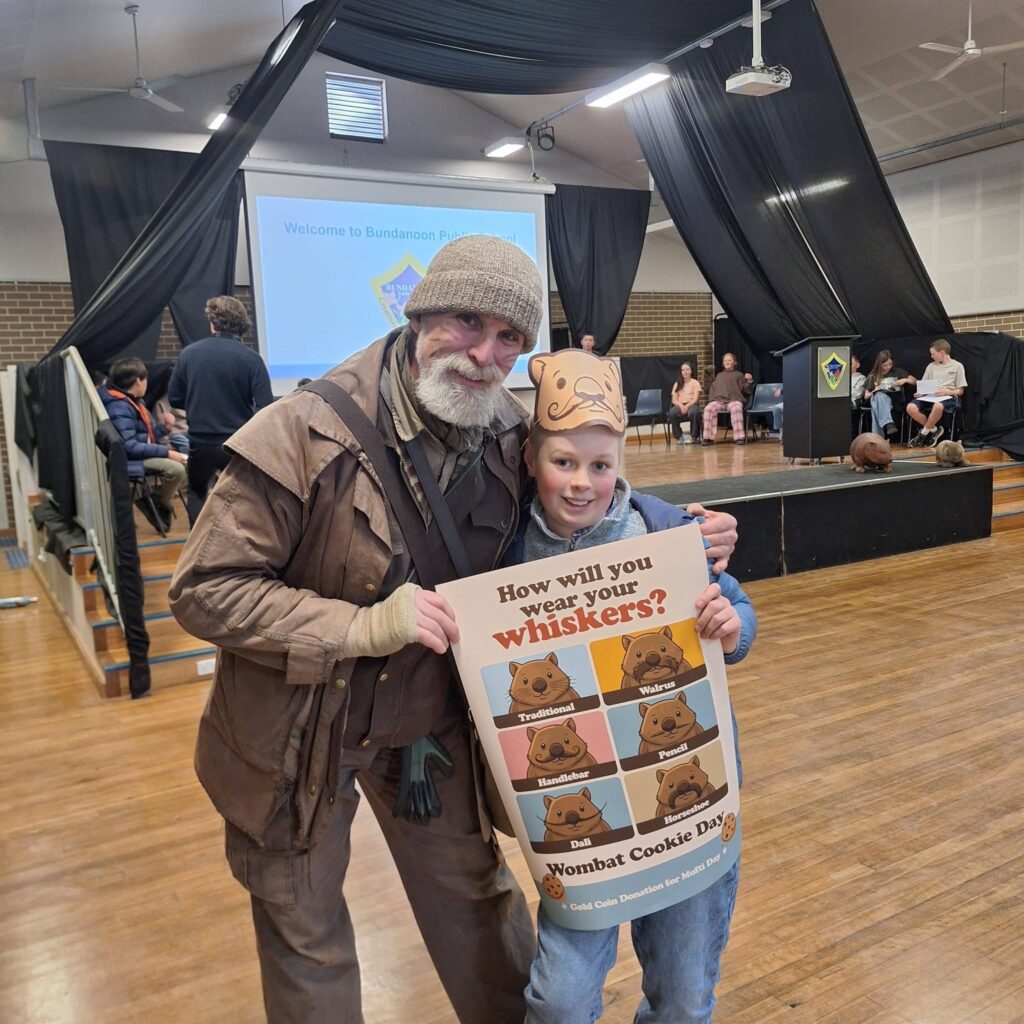
Further, education programs help build skills in wildlife awareness, disease identification and emergency response, empowering more people to act confidently when wildlife needs help.
Citizen science also plays a growing role in modern conservation. By recording wildlife sightings and environmental changes, community members contribute valuable data that informs long-term planning and habitat management.
World Wildlife Day is vital for raising awareness and highlighting international agreements. But meaningful conservation happens when individuals decide to participate at the local level.
From global awareness to local responsibility
World Wildlife Day invites us to think globally. Southern Highlands Wildlife Sanctuary invites our community to act locally.
Whether that means volunteering, supporting wildlife rehabilitation, participating in education programs or restoring habitat on your property, every contribution reinforces the network that protects native species.
Conservation is not only about saving wildlife in distant places. It is about caring for the wombat crossing your road, the wallaby sheltering in remnant bushland and the birds nesting in local trees.
Global impact begins at home, when communities take ownership of their role in wildlife conservation.
This World Wildlife Day, the message is clear: local action is powerful. And in the Southern Highlands, it is already making a difference.
Help Us Grow. Watch Us Thrive.
Our work is only possible because our community stands with us. By joining as a member or making a donation, you help fund education programs, rescue equipment, infrastructure, and the day-to-day support that makes sustainable wildlife care possible.